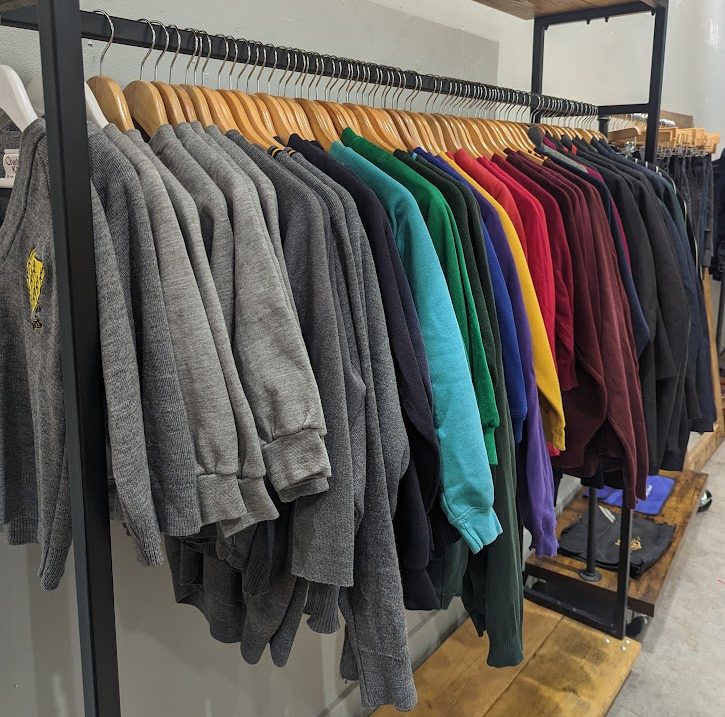
Children’s school uniform and sports kits are a necessary (but sometimes costly) family expense. So we have put together some tips on how to keep your children wearing and using their school uniform for longer.
“The Wrong Blazer 2020” report shows that parents spend an average of £337 per year on uniforms for secondary school children and £315 for primary school children. It’s a report by The Children’s Society and highlights the significant burden that school uniforms place on families. These costs are more than three times what parents consider reasonable.
The UK government is hoping to stop schools from requiring parents to buy more than three branded items as part of the school uniform. The government is clear that these items should be limited to low-cost and long-wearing items only. For more information on The Children’s Wellbeing and Schools Bill and plans for school uniform.
By contrast, a 2022 survey found that 1.4 million school uniform items are thrown away each year. See BBC Newsround article for further details. The waste produced by the clothes and textiles industry is massive and the mountain of discarded clothes in Chilean desert is visible from space. There are enough garments in the world to dress the next six generations. Yet the number of clothes being produced is soaring. Discarded end up in poorer countries and polluting their coastlines, such as this beach in Ghana.
Here is Ealing Repair Cafe’s Tips on making the most of your children’s uniform:
Repairs and alterations
- Sew on your name labels so they can be easily returned to you. Sewing them on means they are easy to remove and pass on to the next family. Read our How to sew on name labels to school uniform.
- Repair seams that have come undone by using ladder stitch which is a simple hand stitch and an easy way to repair seams.
- Jumpers and sweaters with frayed cuffs, turn them in halfway and sew back together, which hides all the loose threads and makes them all neat again. See How to fix the wiped cuffs of sweatshirts.
- Trousers with rips and holes in knees, cut them down to shorts to get another year out of them. See how to turn trousers into a pair of shorts with this hemming guide
Washing tips
To keep your school uniforms in great condition, here are some great tips from Schoolwear Solutions and West London Waste School Uniform
Removing Stains
Generally soak stains as quickly as possible. Usually, leaving the clothing in water for 15 minutes to half-an-hour is recommended, followed by a stain remover. Teach your child to pre-treat stains as soon as they occur. Also, before washing, inspect the uniforms for stains and treat them with a stain remover. Follow the stain remover’s instructions and allow it to sit for a few minutes before washing. For particular stains, try the following:
- Remove ink stains by spraying with hairspray and blotting with a paper towel. Biro stains can be removed by soaking in a little milk.
- Muddy uniform: Pre-soak them as soon as possible in a bucket of cold water with 3 tablespoons of bicarbonate of soda for at least an hour. Then wash with a biological powder and line dry
- Crayon stains: If the crayon is soft, freeze the item to harden the crayon, and then scrape off the excess. Place the stain between clean paper towels and press with a warm iron to transfer the stain to the paper towels. Repeat as needed. Pre-treat with a prewash stain remover. Blot and let dry
- Grass stains: Dab with methylated spirits and allow to dry, then wash as normal.
- Blood stains: Soak in cold water with salt.
Clothes Washing
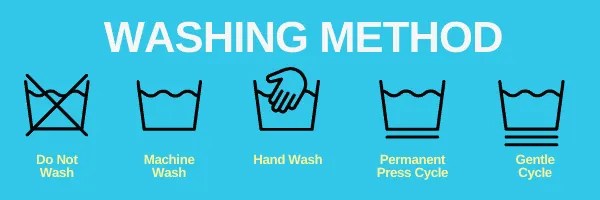
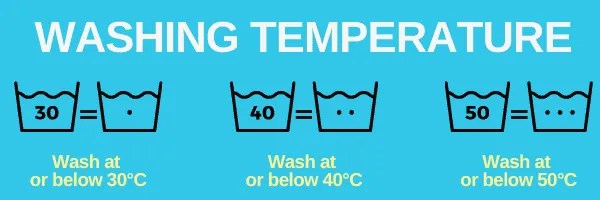
- Read care labels: Check the care labels on school uniforms for specific washing instructions. Different fabrics and colours may require different care. This is a great Guide to Care Labels to help you get the right wash. Washing, drying, and ironing according to these instructions will help maintain the quality of the uniform.
- Minimised washing and tumble drying: Washing at a low temperature and line drying will help extend the life of garments. Plus reducing tumble drying will reduce the risk of clothes shrinkage and heat damage and also save you money.
- Sort by colour and fabrics: Based on colour and fabric type sort the items. Wash whites, light colours, and dark colours separately to prevent colour bleeding. Also, separate delicate fabrics from sturdier ones.
- Turn inside out: Before washing, turn the items inside out. This helps protect the outer surface and reduces friction with other clothes.
- Line Drying in Sun: Whiten shirts by line drying them outside. The sun will make them dazzle.
- Laundry detergent: Choose a mild detergent suitable for the uniforms’ fabric type and colours. Avoid using too much detergent, as it can leave residue on the clothes. Also detergents can break down fibres and colours over time. Avoid using bleach or fabric softener, as these can damage the fabric and cause colours to fade.
- Avoid overloading washing machine: Avoid putting too much in the washing machine, as it can prevent proper cleaning. Leave enough space for the items to move freely. Clothes need space to move around for effective cleaning. Overloading can lead to inadequate washing and increased friction between garments.
- Delicate fabrics: If you’re washing delicate fabrics, consider using a laundry bag to protect them. Sometimes, embroidery and stitches can snag on the internal workings of the machine, causing them to unravel. Turn garments with embroidery on them inside out. Zip up zippers and fasten buttons to prevent snagging.
- Drying: After the washing cycle is complete, check the care labels for drying instructions. If possible, hang the items to air dry, rather than using a dryer. Some items may be suitable for machine drying, while others might require line drying. Hanging items on a drying rack can help prevent wrinkles. Drying items in a dryer can damage the fabric and cause shrinking. Once the items are clean and dry, fold or hang them neatly to prevent creases. Store them in a cool, dry place, ready for the next school day. Store items in a clean, dry place. Hanging or folding them neatly helps to maintain the shape of the clothing.
- Ironing: Check care labels and if allowed and needed, iron the uniforms on the appropriate setting. Be sure to follow the ironing instructions on the care labels to avoid damaging the fabric. Using too much heat can scorch or damage the fabric. Iron the items while it’s still slightly damp, making it easier to remove wrinkles. Start with the collar and work your way down, ironing each section carefully. Avoid pressing too hard or leaving the iron in one place for too long.
Finally, if the children have grown out of their uniform, check with your school to see if you can donate them back to the school. Some schools have spare uniforms at school or run second hand sales. Or pass them onto family and friends whose children go to the school.
 Ealing Repair Cafe
12 thoughts on “How to Extend the Life of School Uniforms”